
As a pet owner, knowing what foods are dangerous for your furry companions is one of the most important things you can do to keep them safe. In this post, we’ve compiled comprehensive infographics to help you quickly identify toxic foods and understand common feeding behaviors in dogs. Bookmark this page and share it with fellow pet lovers!
🚫 Toxic Foods for Dogs: What to Avoid
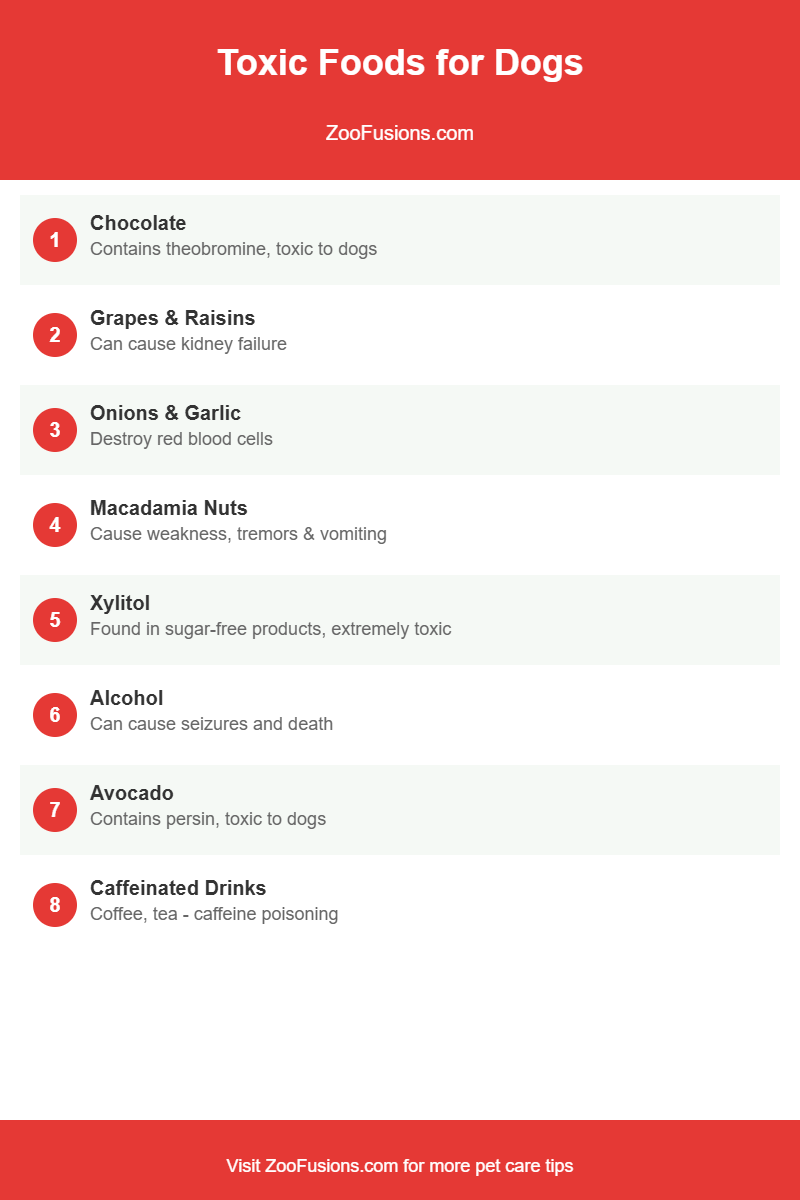
Many everyday human foods can be seriously harmful — even fatal — to dogs. The infographic below highlights the 8 most common toxic foods every dog owner should know about. Save it, share it, or print it out and stick it on your fridge!
Why These Foods Are Dangerous
Each of these foods contains compounds that a dog’s digestive system cannot safely process. Chocolate contains theobromine, which dogs metabolize much more slowly than humans — even dark chocolate in small amounts can be fatal to small breeds. Grapes and raisins can trigger acute kidney failure in dogs. Xylitol, a sugar substitute found in sugar-free gum and candy, causes a rapid drop in blood sugar that can lead to seizures and liver failure.
⚠️ Important: If you suspect your dog has eaten any of these foods, contact your veterinarian or the ASPCA Animal Poison Control Center at (888) 426-4435 immediately. Time is critical in poisoning cases.
🐕 Why Does My Dog Eat Too Fast?
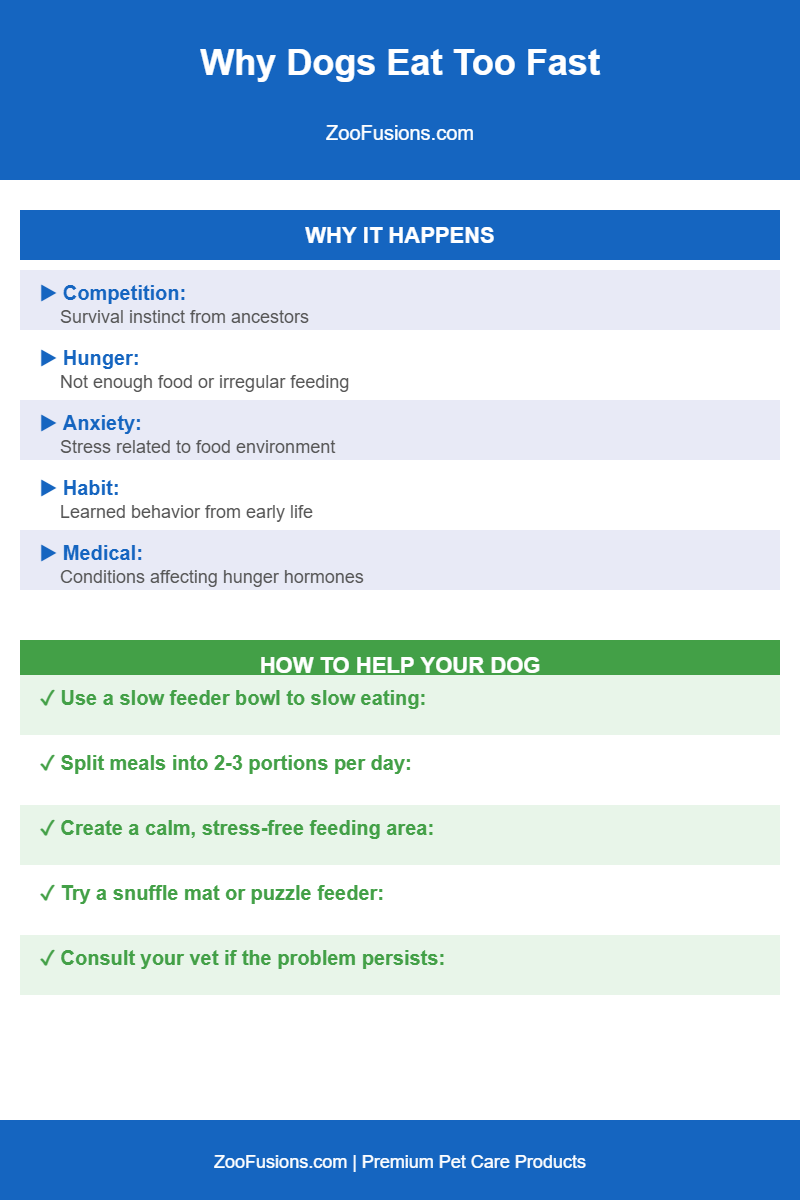
Does your dog inhale their food bowl in seconds? You’re far from alone! Many dog owners notice this behavior and wonder if it’s normal or potentially harmful. The infographic below breaks down the most common reasons dogs eat too fast, along with practical solutions to help them eat at a healthier, safer pace.
The Health Risks of Eating Too Fast
Dogs that eat too quickly are at higher risk of bloat (Gastric Dilatation-Volvulus or GDV) — a life-threatening condition where the stomach fills with gas and twists. Rapid eating can also cause vomiting, digestive discomfort, and choking. For large, deep-chested breeds like Great Danes, German Shepherds, and Boxers, the risk of GDV is especially serious.
How a Slow Feeder Bowl Can Help
One of the most effective and affordable solutions is a slow feeder bowl. These innovative bowls feature ridges, mazes, and raised obstacles that make your dog work a little harder to reach their food — naturally slowing down the eating process. The result? Better digestion, reduced risk of bloat, and even some mental stimulation at mealtime!
📥 Download Our Complete Pet Safety Guide
Want a comprehensive reference you can keep at home or share with your vet? Download our full “Toxic Foods for Cats & Dogs” infographic guide as a PDF — it covers both cats and dogs and is perfect for printing and posting on the refrigerator.
🛍️ Shop Pet Safety Products at ZooFusions
At ZooFusions, we’re committed to helping pet owners create safer, happier lives for their companions. Check out these products to support your pet’s health and wellbeing:
- Slow Feeder Bowls — Help dogs eat at a healthy, comfortable pace
- Interactive Puzzle Feeders — Mental stimulation paired with mealtime
- Premium Dog Food & Treats — Nutritious, vet-recommended options
- Cat Food & Accessories — Everything your feline friend needs
Found this post helpful? Share the infographics with a fellow pet owner, pin them on Pinterest, or tag us @ZooFusions! Have questions about pet nutrition or safety? Drop a comment below — our team loves helping pet owners.